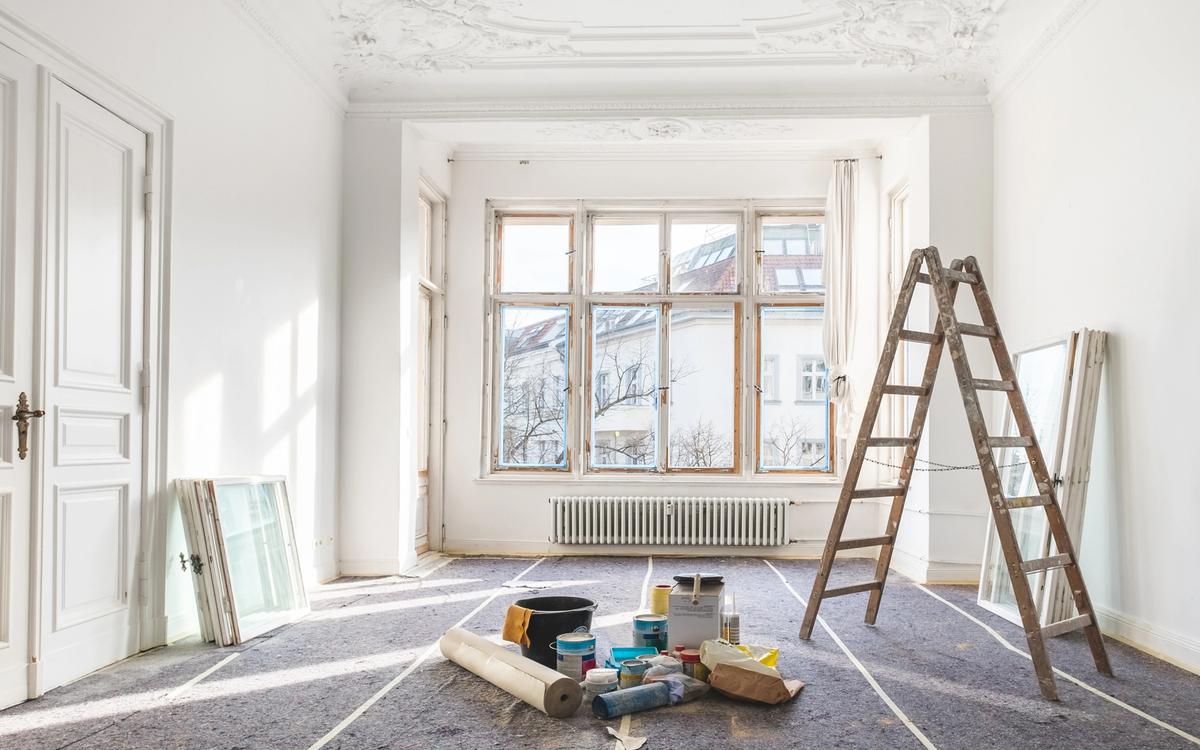
Why Home Renovation Is Different When You’re New to the City
Renovating your space when you haven’t grown up around the local ways of doing things brings unexpected variables. Practices that seem standard to long-time residents may be brand new to you. From the way permits are handled, to how timelines unfold, to what "cozy" or "modern" means—everything can be up for interpretation. Homeowners and architects often find themselves working to bridge the gap between their vision and local execution, learning as they go.
Here’s the key: it’s not just about translating language, but interpreting concepts and expectations. If "warm and inviting" means open spaces to you but means rustic wood and stone here, communication is everything. Successful home renovation comes from aligning your ideas with the local approach—and that starts by listening and learning from those who call this place home.
Where Things Are Different: What to Know Before You Start
Renovating is rarely straightforward. When you’re not fully familiar with local systems, rules, and building culture, the process can feel very different from what you expect. Understanding these differences early is the key to achieving better renovation results. Here are the big-ticket areas where homeowners coming from elsewhere might face surprises.
1. Permits and Paperwork
Renovation rules change not just by country, but by city—and sometimes by neighbourhood. Historic protections, condominium approvals, and municipal permits all affect what can be changed and how.
A remodelling approach that works in one city may not apply in another. Knowing how local authorities, building managers, and craftsmen operate makes a significant difference in avoiding delays and redesigns.
2. Finding and Choosing Materials
Some materials you’re used to might be hard to find—or come at a premium. That’s often an invitation to try something local or traditional. Sourcing nearby not only supports the local community but can lead to stunning, authentic results. Be ready to adapt your vision if a favorite tile or fixture isn’t available; local suppliers and tradespeople can often suggest alternatives that look beautiful and work well here.
3. Building Techniques and Traditions
Every place has its own way of doing things, shaped by climate, tradition, and what’s available. Maybe walls are made solid when you imagine them hollow, or electrical wiring is run differently. Rather than trying to do things just as you did before, trust reputable local contractors to blend your tastes with methods proven to stand the test of time in this location. That’s how you achieve results that look and feel right for your new setting.
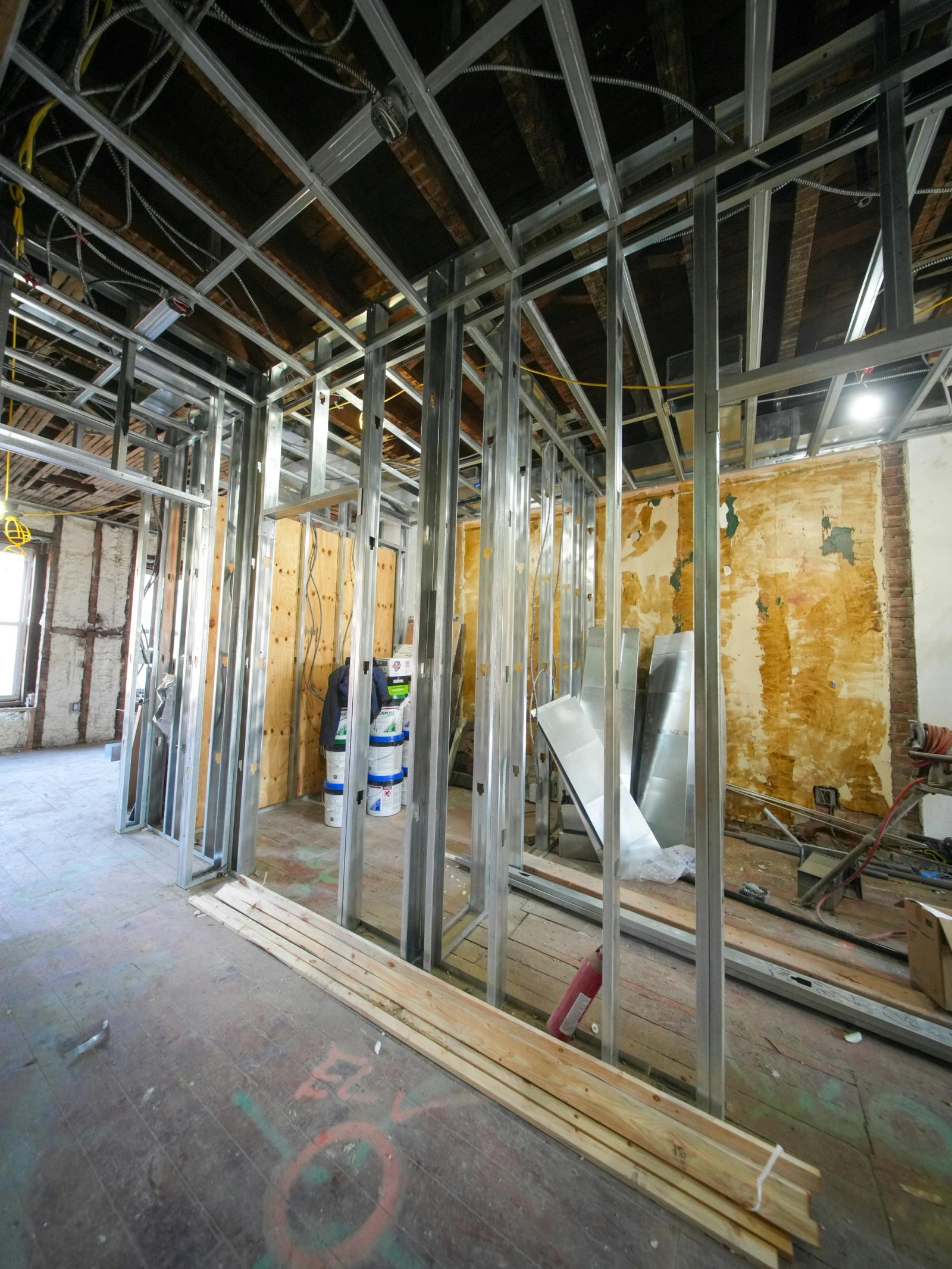
Many homes, especially in European cities were built decades—or centuries—ago. Behind the walls, you may find non-standard structures, outdated wiring, mixed materials, or previous renovations done under older regulations. Home renovation here is less about starting fresh and more about adapting carefully. Beyond picking out fixtures and colors, you’re navigating different building codes, cultural habits, and expectations.
Read More on: How to Get the Best Results that Still Feel Like You: Blending Your Ideas with Local Savvy