
Flooring Buying Guide
Flooring sets the foundation of every room's character. Whether you're drawn to the warmth of natural wood, the durability of porcelain, or the versatility of modern vinyl, the right floor balances your lifestyle, aesthetic, and budget for decades to come.
Key Considerations
- •Always order 10-15% extra material to account for cuts, waste, and future repairs.
- •Request full-size samples and test them in your space. Colours look different under your lighting.
- •Factor in installation costs. They can be 50-100% of the material cost for natural stone and wood.
- •Check compatibility with underfloor heating before choosing. Not all materials work well with radiant systems.
- •For open-plan spaces, using one material throughout creates a sense of flow and makes rooms feel larger.
Compare All Flooring
| Material | Durability | Maintenance Required | Eco-Friendliness | Price Range |
|---|---|---|---|---|
| Solid Hardwood Parquet | Very long-lasting | Requires attention | Sustainably sourced | €35 – €160 |
| Solid Oak | Extremely durable | Requires attention | Sustainably sourced | €55 – €170 |
| Solid Walnut | Very long-lasting | Requires attention | Eco-conscious choice | €70 – €200 |
| Solid Teak | Extremely durable | Regular care needed | Moderate impact | €120 – €350 |
| Engineered Wood Flooring | Very long-lasting | Regular care needed | Eco-conscious choice | €20 – €120 |
| Porcelain Stoneware | Extremely durable | Wipe clean only | Eco-conscious choice | €12 – €90 |
| Luxury Vinyl Tile (LVT/SPC) | Holds up well | Wipe clean only | Some concerns | €12 – €65 |
| Resin & Microcement | Holds up well | Regular care needed | Moderate impact | €60 – €160 |
Materials in Detail
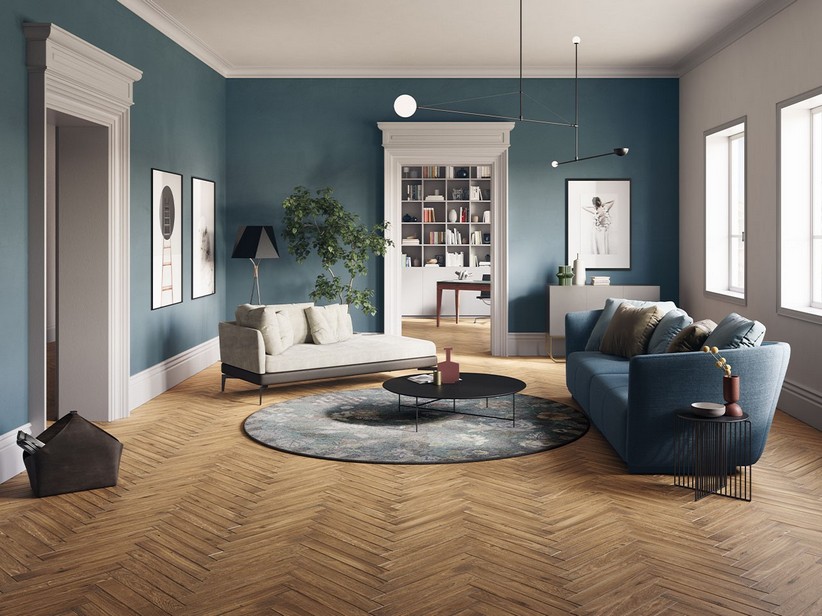
Solid Hardwood Parquet
Solid hardwood parquet is milled from a single piece of timber. Oak, walnut, and ash are the most common in Europe. It can be sanded and refinished multiple times over its 50+ year lifespan. The natural warmth underfoot and unique grain patterns make it the aspirational choice for living areas and bedrooms.
Advantages
- •Can be sanded and refinished 5-8 times
- •50+ year lifespan
- •Natural warmth and sound insulation
- •Increases property value
Considerations
- •Sensitive to humidity; expands and contracts
- •Not suitable for bathrooms or kitchens
- •Scratches from pets and furniture
- •Higher upfront cost
Price Guide
Brands
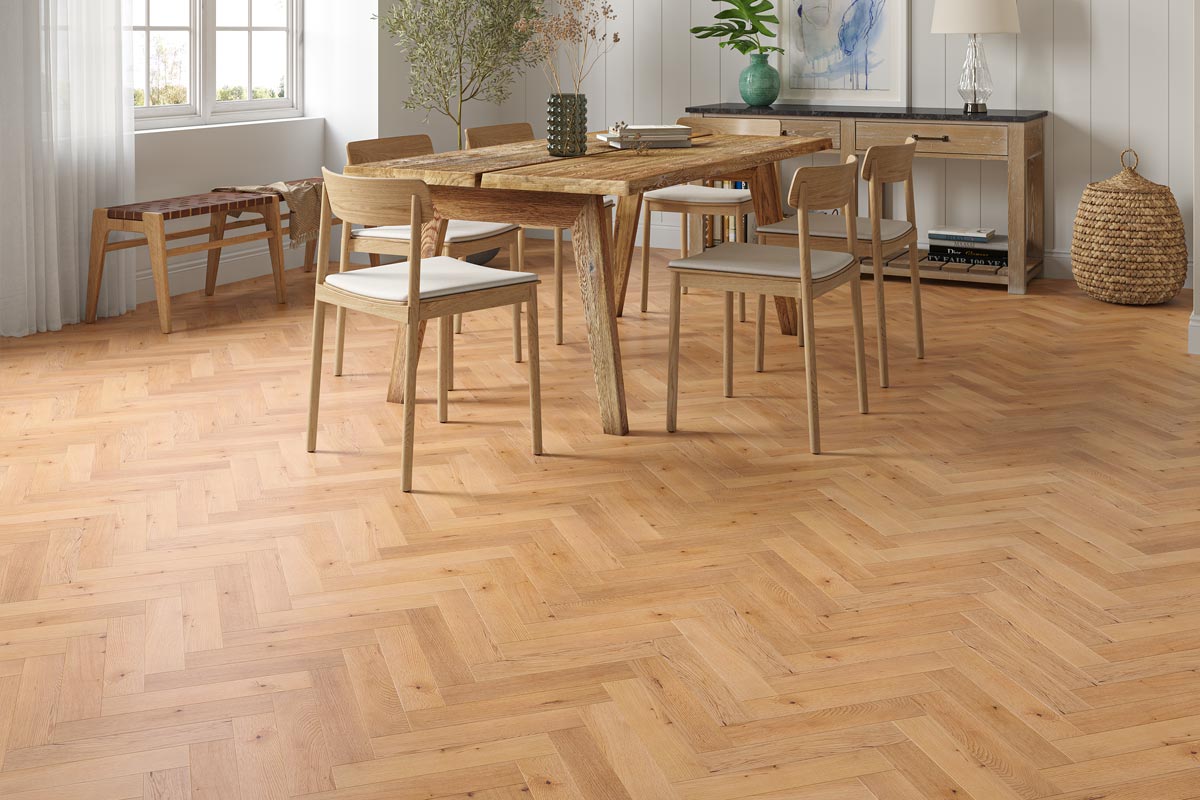
Solid Oak
Oak is the most popular hardwood for European flooring, prized for its durability, warm grain, and versatility. It takes stains and oils beautifully, works in traditional and contemporary settings, and is the most widely available solid wood. European oak (Quercus robur) is harder and more stable than American white oak.
Advantages
- •Hardest and most durable common European wood (Janka 1360)
- •Takes all finishes beautifully: oil, lacquer, wax
- •Available in wide planks, herringbone, and chevron patterns
- •Ages gracefully, developing a warm patina over time
Considerations
- •Can yellow with certain oil finishes over time
- •Susceptible to tannin stains from water contact
- •Premium European oak costs more than imported hardwoods
Price Guide
Brands
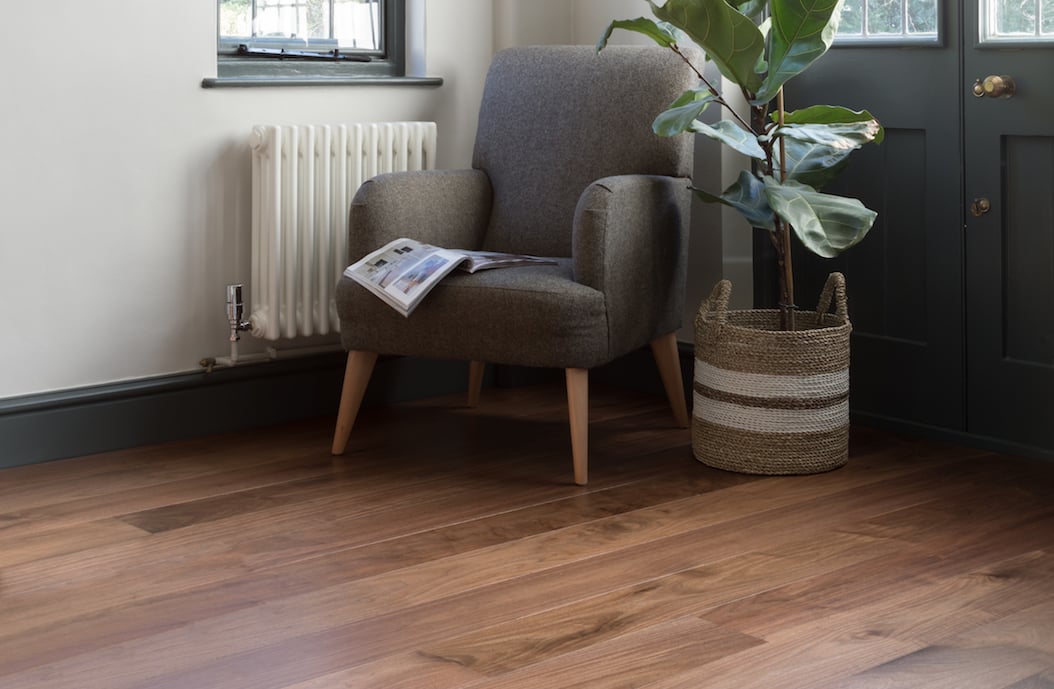
Solid Walnut
Walnut is a premium hardwood with rich chocolate-brown tones and distinctive swirling grain. It's softer than oak (Janka 1010 vs 1360) but prized for its striking visual warmth. European walnut is rarer and more expensive than American black walnut.
Advantages
- •Rich, warm chocolate-brown colour, naturally luxurious
- •Distinctive grain with beautiful natural variation
- •Doesn't need staining; gorgeous in its natural colour
Considerations
- •Softer than oak; dents more easily
- •More expensive due to limited supply
- •Colour lightens with sun exposure (opposite to oak, which darkens)
Price Guide
Brands
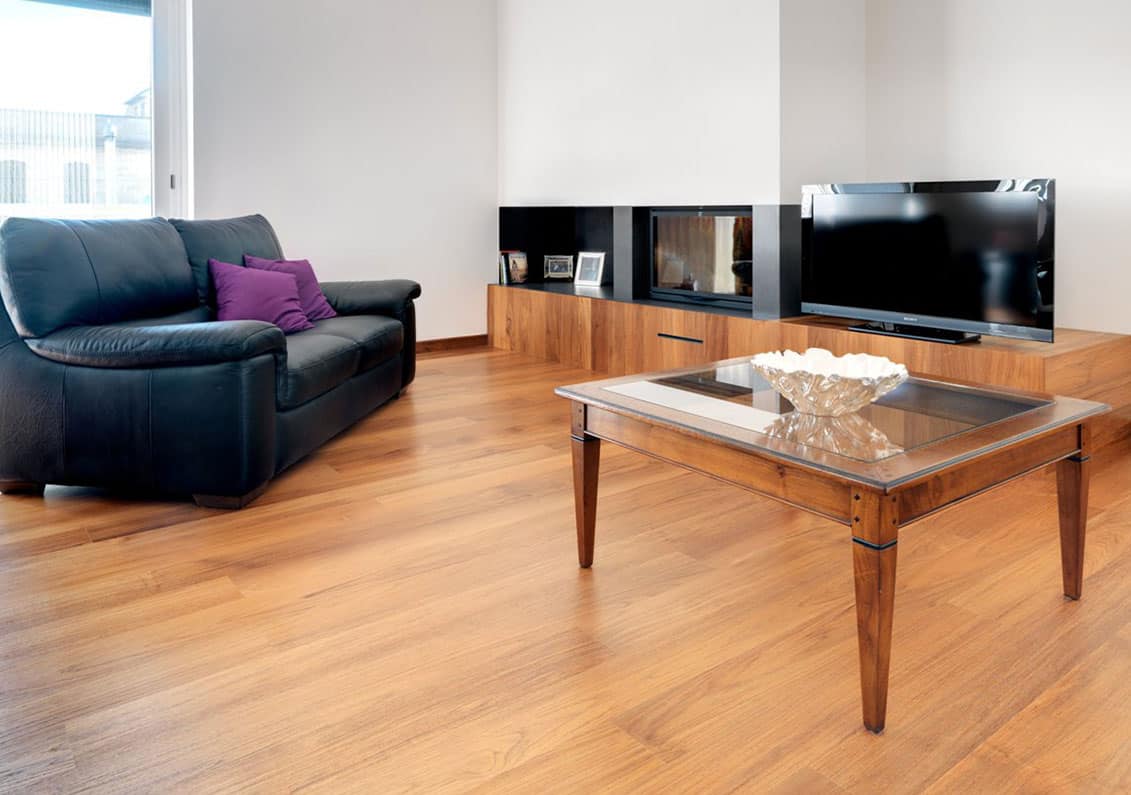
Solid Teak
Teak is the ultimate moisture-resistant hardwood. Naturally oily, it resists water, rot, and insects without any treatment. Traditionally used in boat decks and outdoor furniture, it's increasingly specified for high-end bathrooms and outdoor terraces. Supply concerns make sustainably sourced teak a premium choice.
Advantages
- •Naturally water and rot resistant, no treatment needed
- •Suitable for bathrooms and outdoor areas
- •Extremely long-lasting (decades outdoors)
- •Rich golden-brown colour
Considerations
- •Expensive, among the costliest hardwoods
- •Sustainability concerns (deforestation); insist on FSC certification
- •Greys over time if left unfinished outdoors
- •Limited availability in wide planks
Price Guide
Brands

Engineered Wood Flooring
Engineered wood has a real hardwood top layer (2-6mm) bonded to plywood or HDF backing layers. This cross-grain construction makes it more dimensionally stable than solid wood, making it suitable for underfloor heating and moderate humidity areas. The top layer can be sanded 1-3 times depending on thickness.
Advantages
- •Compatible with underfloor heating
- •More stable in humidity than solid wood
- •Click-lock systems enable faster installation
- •Real wood top layer with authentic look and feel
- •More affordable than solid hardwood
Considerations
- •Can only be refinished 1-3 times (vs 5-8 for solid)
- •Thin top layers (2mm) cannot be sanded at all
- •Quality varies hugely by manufacturer
Price Guide
Brands

Porcelain Stoneware
Porcelain stoneware is fired at extremely high temperatures, creating a dense, non-porous tile that's virtually indestructible. Modern digital printing technology means it can convincingly replicate wood, marble, concrete, or stone at a fraction of the natural material cost. The go-to choice for bathrooms, kitchens, and high-traffic areas across Southern Europe.
Advantages
- •Extremely durable: scratch-, stain-, and water-proof
- •Zero maintenance, just clean and go
- •Perfect for wet areas (bathroom, kitchen, outdoor)
- •Huge range: wood-effect, marble-effect, concrete, terrazzo
- •Compatible with underfloor heating
Considerations
- •Cold and hard underfoot
- •Professional installation required due to heavy cutting
- •Grout lines require periodic cleaning/sealing
- •Cracked tiles are difficult to replace individually
Price Guide
Brands
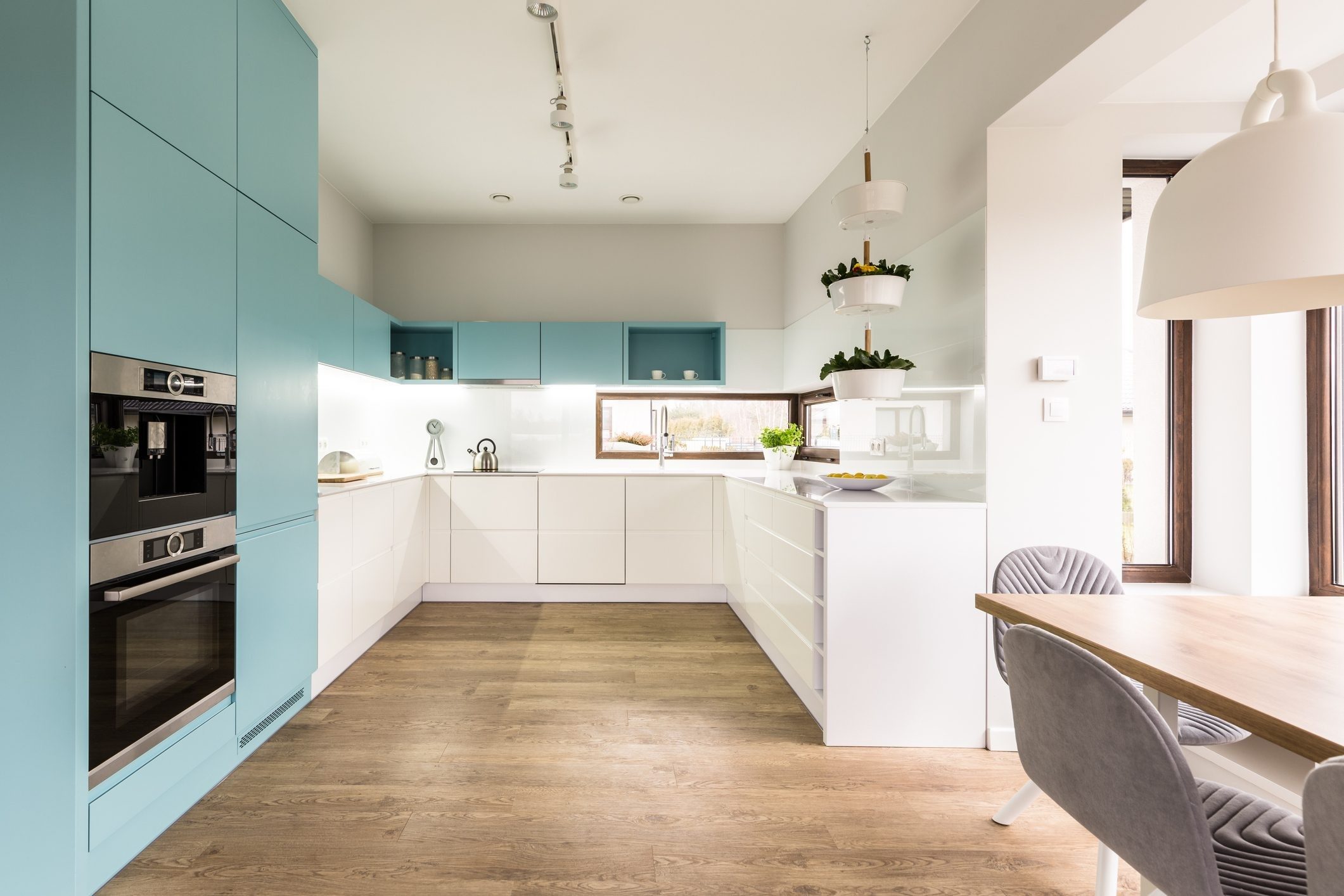
Luxury Vinyl Tile (LVT/SPC)
Luxury Vinyl Tile (LVT) and Stone Polymer Composite (SPC) flooring have revolutionized the budget renovation market. These click-lock planks convincingly mimic wood or stone, are 100% waterproof, warm underfoot, and can be installed over existing floors, often in a single day. Not to be confused with old-fashioned sheet vinyl.
Advantages
- •100% waterproof, suitable for any room
- •Click-lock, fast DIY or professional installation
- •Can be installed over existing floors
- •Warm and comfortable underfoot
- •Very affordable compared to natural materials
Considerations
- •Not as eco-friendly (PVC-based)
- •Cannot be refinished, replace when worn
- •Can dent from heavy furniture
- •15-25 year lifespan (vs 50+ for wood)
Price Guide
Brands

Resin & Microcement
Resin and microcement floors create a seamless, joint-free surface that's become a hallmark of contemporary interior design. Applied over existing substrates in thin layers (2-3mm), they transform spaces with a monolithic industrial-chic look. Colours range from warm natural tones to bold statements.
Advantages
- •Seamless: no joints or grout lines
- •Can be applied over existing flooring
- •Ultra-thin (2-3mm): no door/step height issues
- •Contemporary, designer aesthetic
Considerations
- •Requires skilled specialist application
- •Can crack if substrate moves
- •Needs resealing every 2-3 years
- •Colour matching for repairs is difficult
Price Guide
Brands
Last updated: 2026-03-30